

Strictly Facts’ Women’s History Month: 31 Caribbean Women to Know #1-6
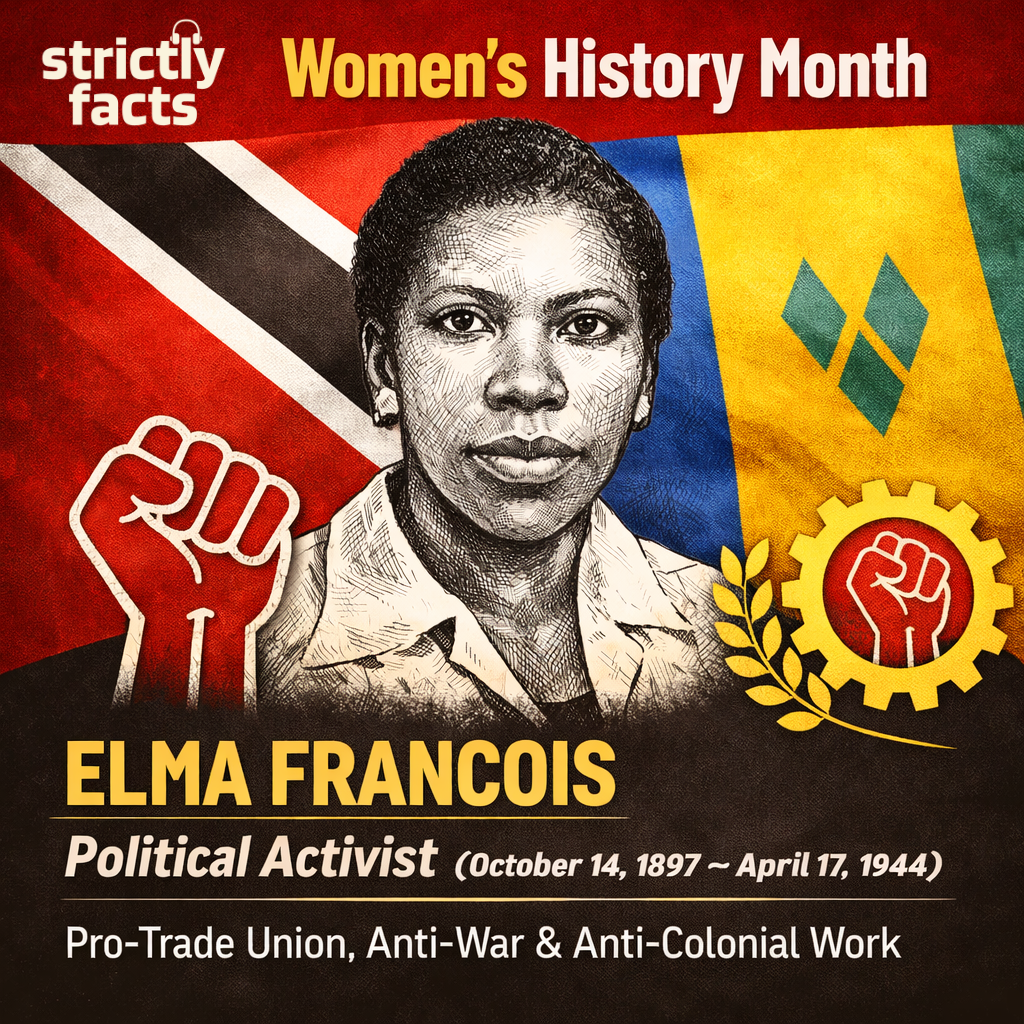
Woman #1: Elma Francois
Born in Saint Vincent and the Grenadines, Elma Francois was a fearless political activist whose pro–trade union, anti-war, and anti-colonial organizing helped shape labor resistance in Trinidad and across the Caribbean. She migrated to Trinidad and Tobago in 1919 and later co-founded the Negro Welfare Cultural and Social Association, a Marxist organization that campaigned for the rights of Black, Indian, and Chinese workers in the Caribbean.
As a champion of working-class people and one of the region’s boldest women leaders of the 1930s, Francois was later declared a national heroine of Trinidad and Tobago for “her role in drawing attention to human dignity and effecting radical change towards eradicating mass unemployment and hunger.”
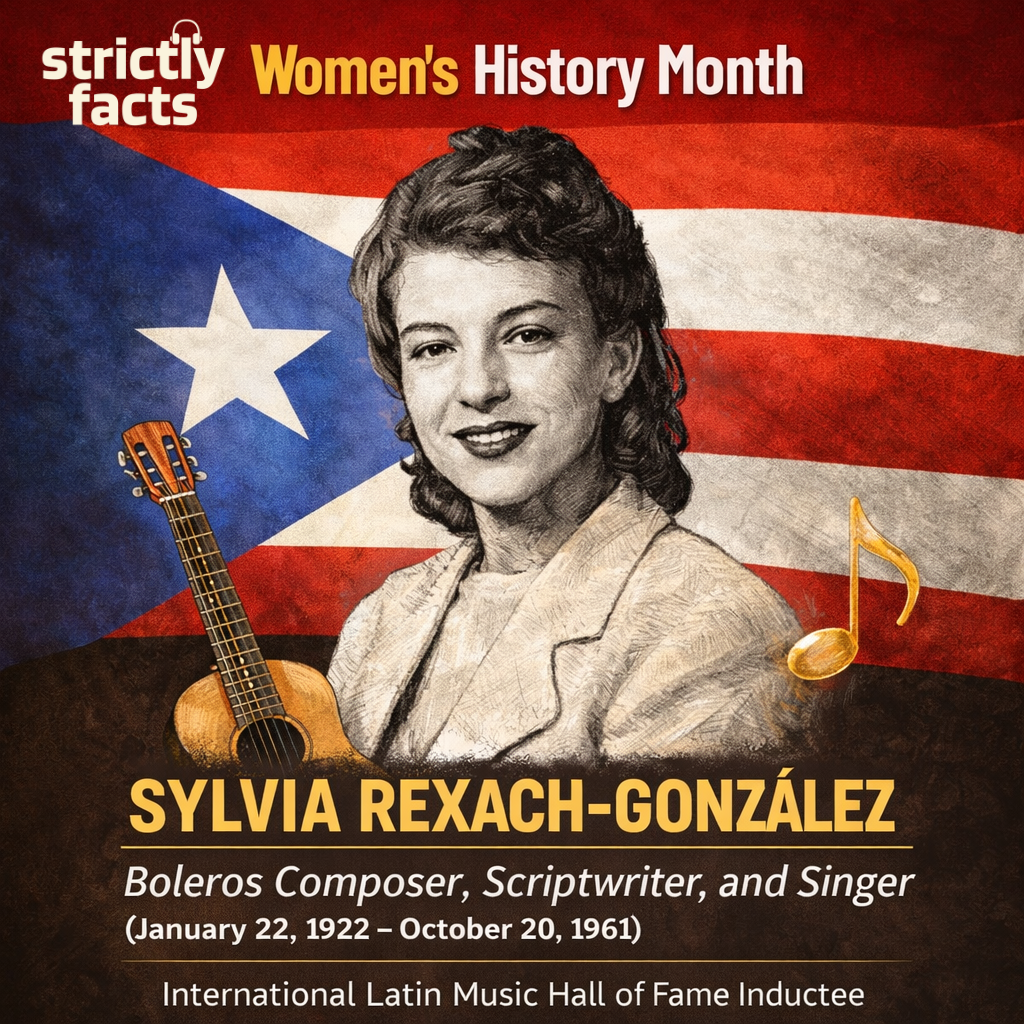
Woman #2: Sylvia Rexach-González
Sylvia Rexach-González was a musical visionary whose boleros captured love, longing, and Puerto Rican identity with unmatched depth. A World War II veteran, she broke barriers both in and beyond music, founding Las Damiselas, Puerto Rico’s first all-women combo, and co-founding the Sociedad Puertorriqueña de Autores, Compositores y Editores de Música to protect and uplift songwriters’ rights.
An International Latin Music Hall of Fame inductee, Sylvia’s legacy reminds us that Caribbean women have long shaped the sound, structure, and future of our cultural industries. 🎶🇵🇷
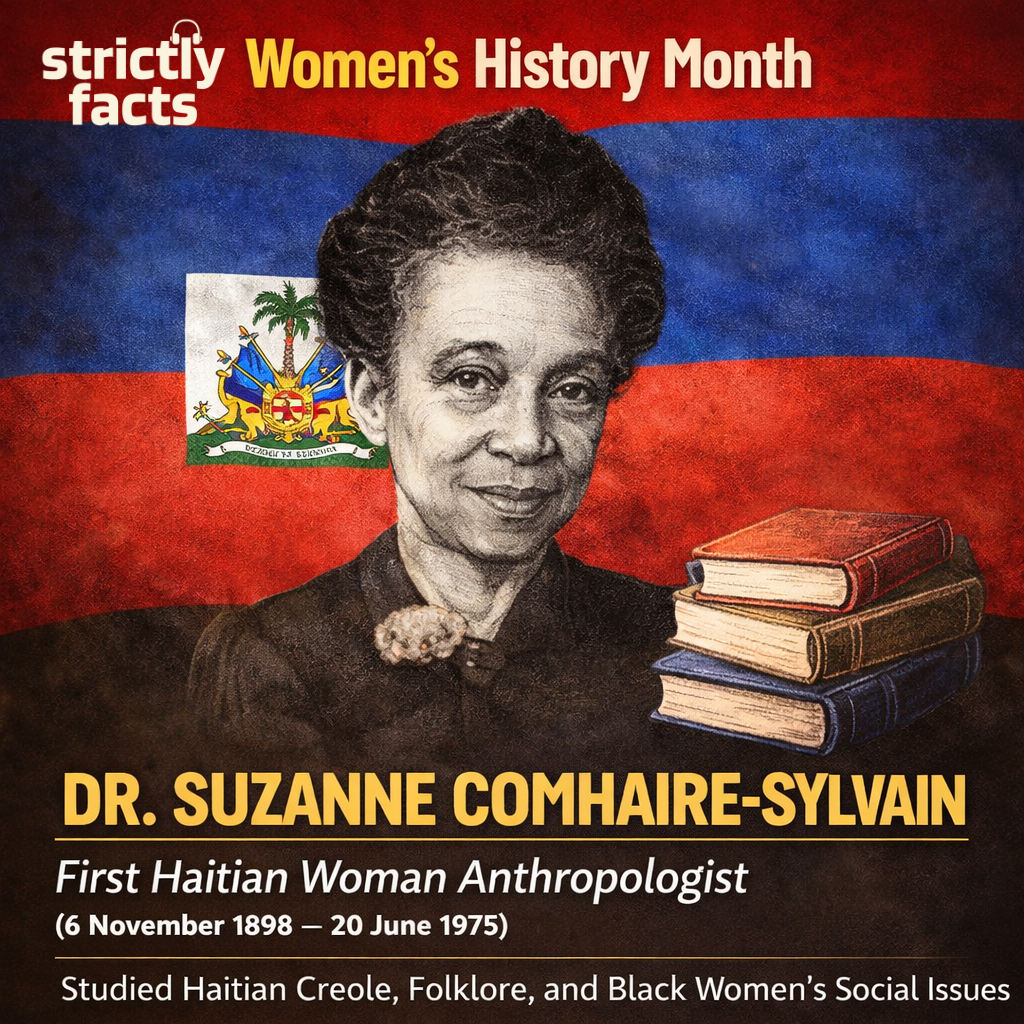
Woman #3: Suzanne Comhaire-Sylvain, Ph.D.
Suzanne Comhaire-Sylvain, Ph.D., was a pioneering researcher of Haitian Creole, folklore, and the social conditions of Black women. She elevated everyday language and lived experience into serious academic study, at a time when both were often dismissed, and won several awards for her research including the Prix de l'Alliance Française. Her work affirmed Haiti’s cultural richness and centered the voices of women and marginalized communities within global conversations on race, language, and power. 📚🇭🇹
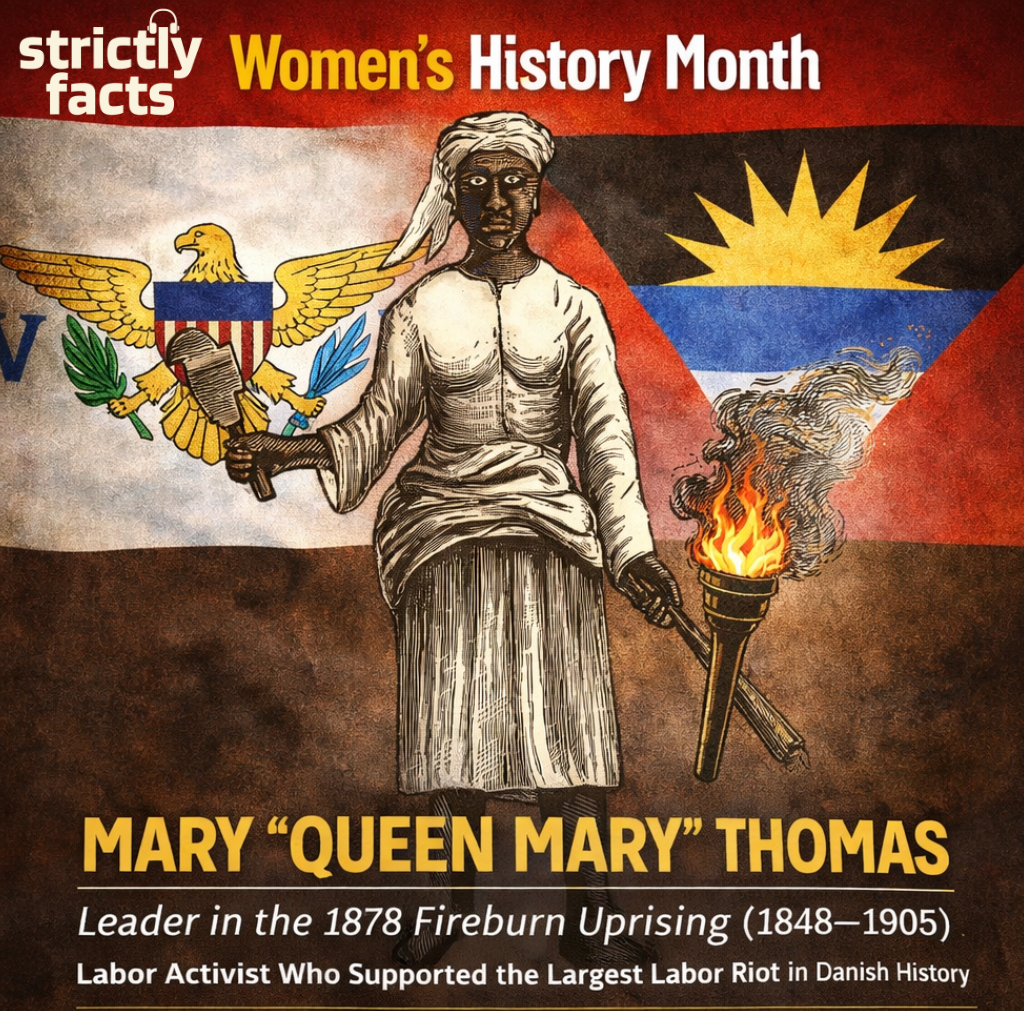
Woman #4: Mary “Queen Mary” Thomas
Born in Antigua, Queen Mary Thomas was one of the fearless labor leaders and central figures in the 1878 Fireburn Uprising in the Danish West Indies, now the U.S. Virgin Islands. Alongside fellow freedom fighters Queen Agnes and Queen Matilda, she organized plantation workers in one of the largest labor revolts in Danish history, demanding justice, fair wages, and dignity in the post-emancipation era.
Her resistance reverberated far beyond the Caribbean. In 2018, Denmark unveiled a public monument in her honor, the nation’s first monument to a Black woman, recognizing her as a global symbol of working-class resistance and Black women’s leadership. 🇦🇬🇻🇮
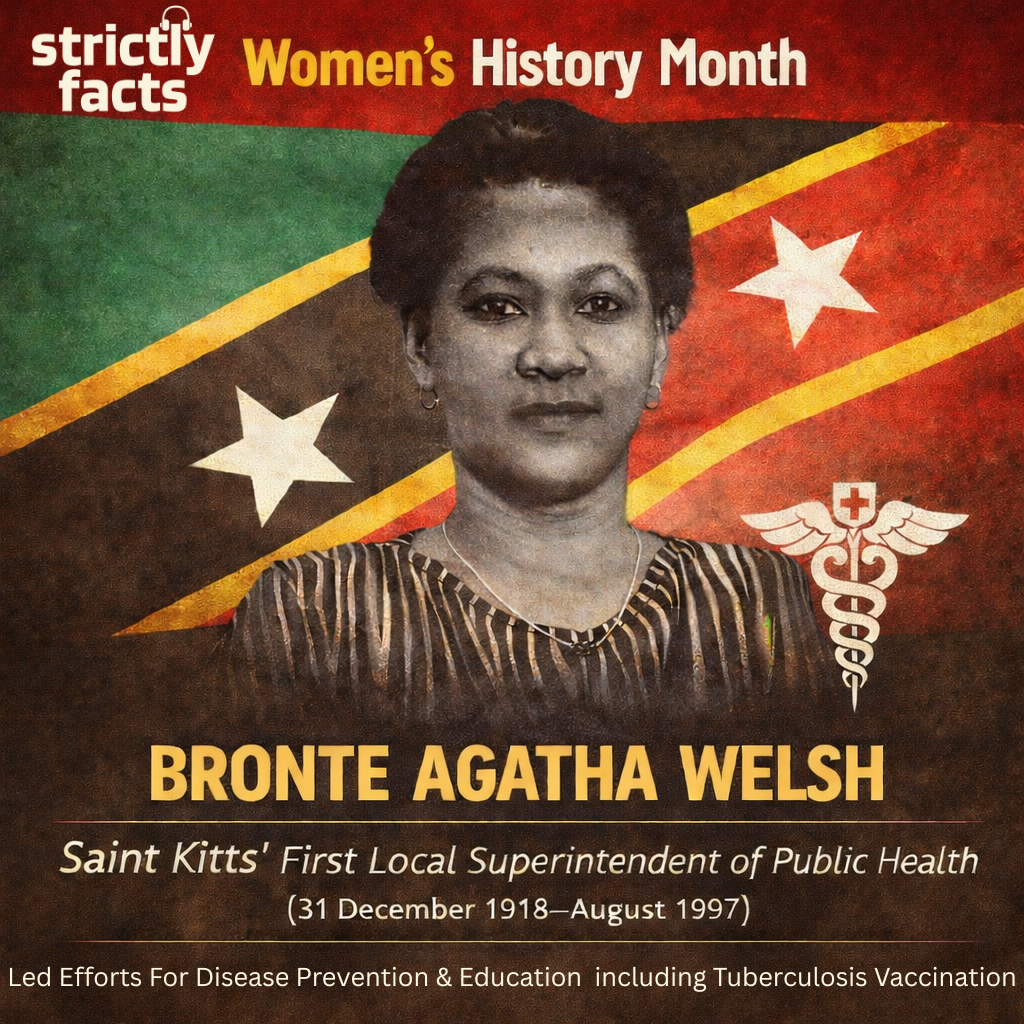
Woman #5: Bronte Agatha Welsh
Bronte Agatha Welsh was an innovator in Caribbean public health and Saint Kitts’ first local Superintendent of Public Health Nursing. At a time when superstition and access affected medical care, she led critical initiatives in disease prevention and community health education, strengthening healthcare systems across the island.
Her leadership not only advanced professional nursing in Saint Kitts and Nevis, but also demonstrated the powerful role Caribbean women have played in safeguarding public health. 🩺🇰🇳
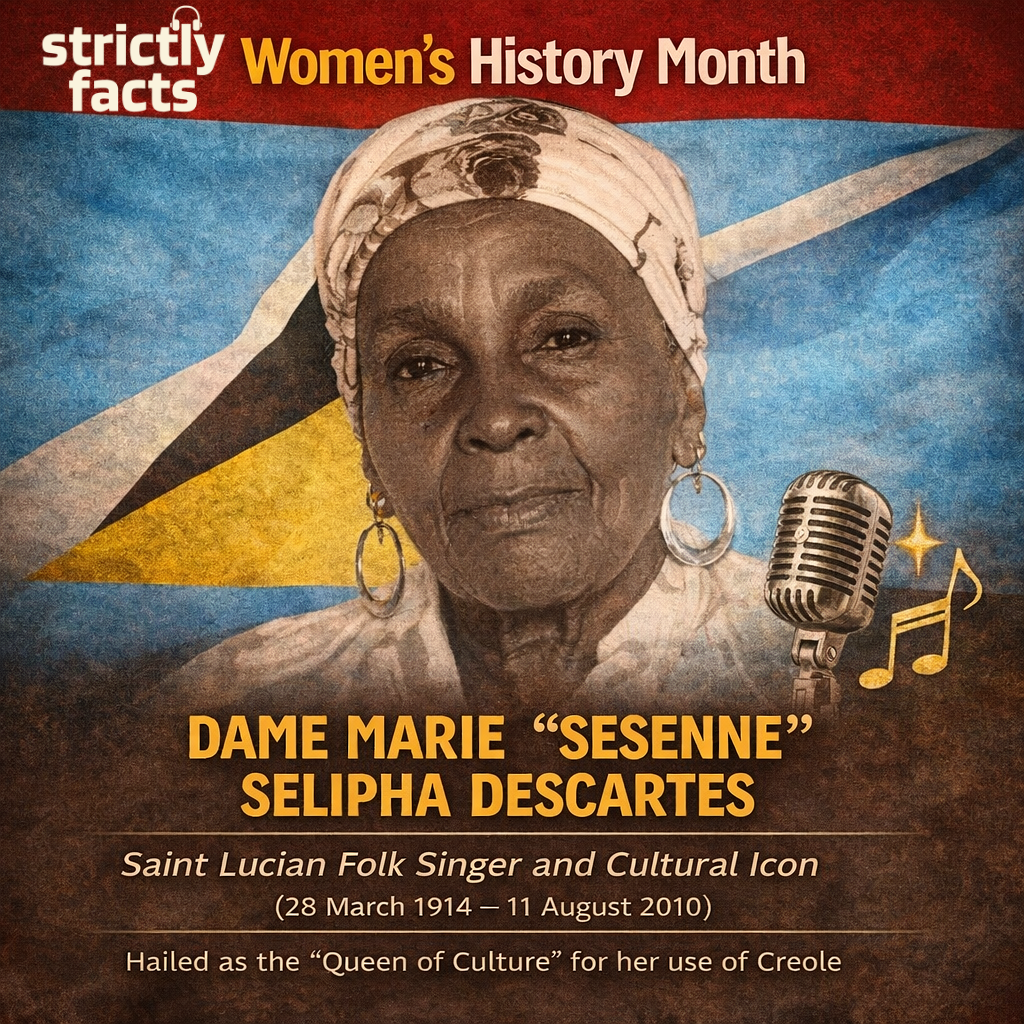
Woman #6: Dame Marie “Sesenne” Selipha Descartes
Dame Marie “Sesenne” Selipha Descartes was a living archive of Saint Lucian culture. A revered folk singer and cultural icon, she devoted her life to preserving and performing Kwéyòl songs, ensuring that Saint Lucia’s language, stories, and rhythms remained central to national identity.
Hailed as the “Queen of Culture” for her powerful use of Creole and inducted into the Caribbean Broadcasting Union Music Hall of Fame, Sesenne transformed folk tradition into national pride and intergenerational memory. Her voice carried history and her legacy continues to shape how Saint Lucia celebrates itself. 🇱🇨🎶