

Strictly Facts’ Women’s History Month: 31 Caribbean Women to Know #13-18
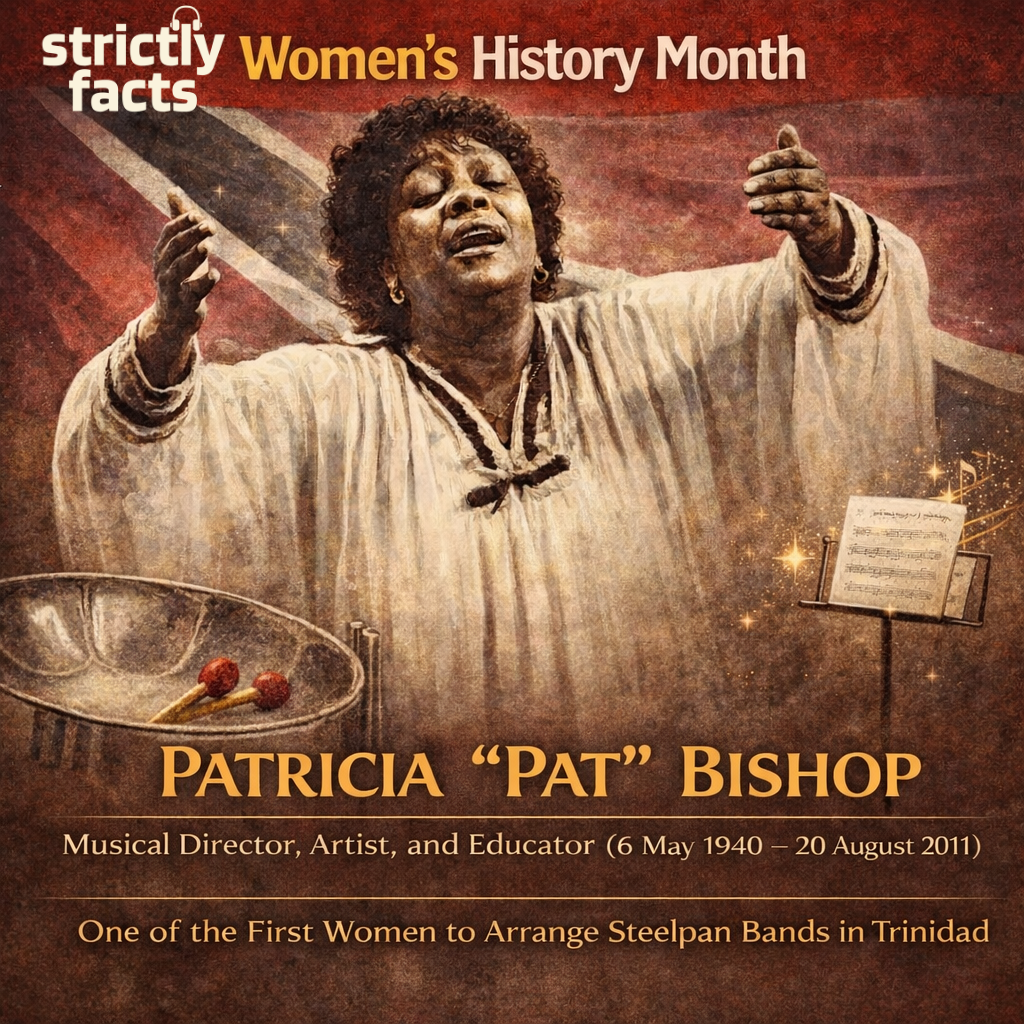
Woman #13: Patricia “Pat” Bishop
Patricia “Pat” Bishop was a visionary Trinidadian musical director, artist, and educator who helped reshape the landscape of Caribbean music and the steelpan movement. One of the first women to arrange steelpan bands in Trinidad, Bishop broke barriers in a field long dominated by men, bringing classical training, creativity, and innovation to the art form.
Beyond pan, she was also a respected choir director, painter, and cultural leader whose work elevated Trinidad and Tobago’s musical traditions on the world stage. Her profound influence on steelpan culture was honored after her passing when the piece “The Archbishop of Pan” was composed in her tribute. 🇹🇹🎶
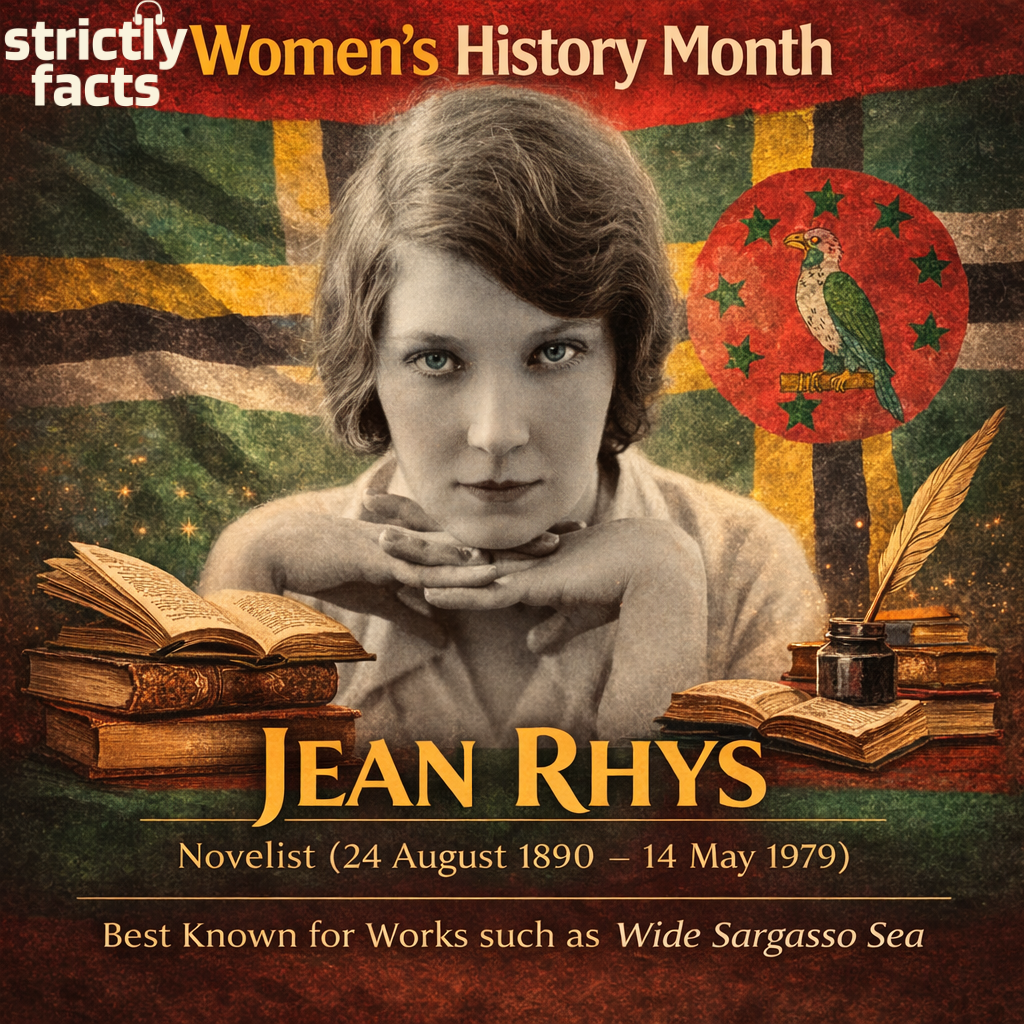
Woman #14: Jean Rhys
Born Ella Gwendoline Rees Williams, Jean Rhys was a Dominican-born novelist whose writing transformed twentieth-century literature.
She is best known for her groundbreaking novel "Wide Sargasso Sea" (1966), which reimagines the backstory from Charlotte Brontë’s "Jane Eyre," centering the voice of a Creole Caribbean woman and confronting the legacies of slavery, race, and colonialism. The novel has since become a cornerstone of Caribbean and postcolonial literature. 🇩🇲📚
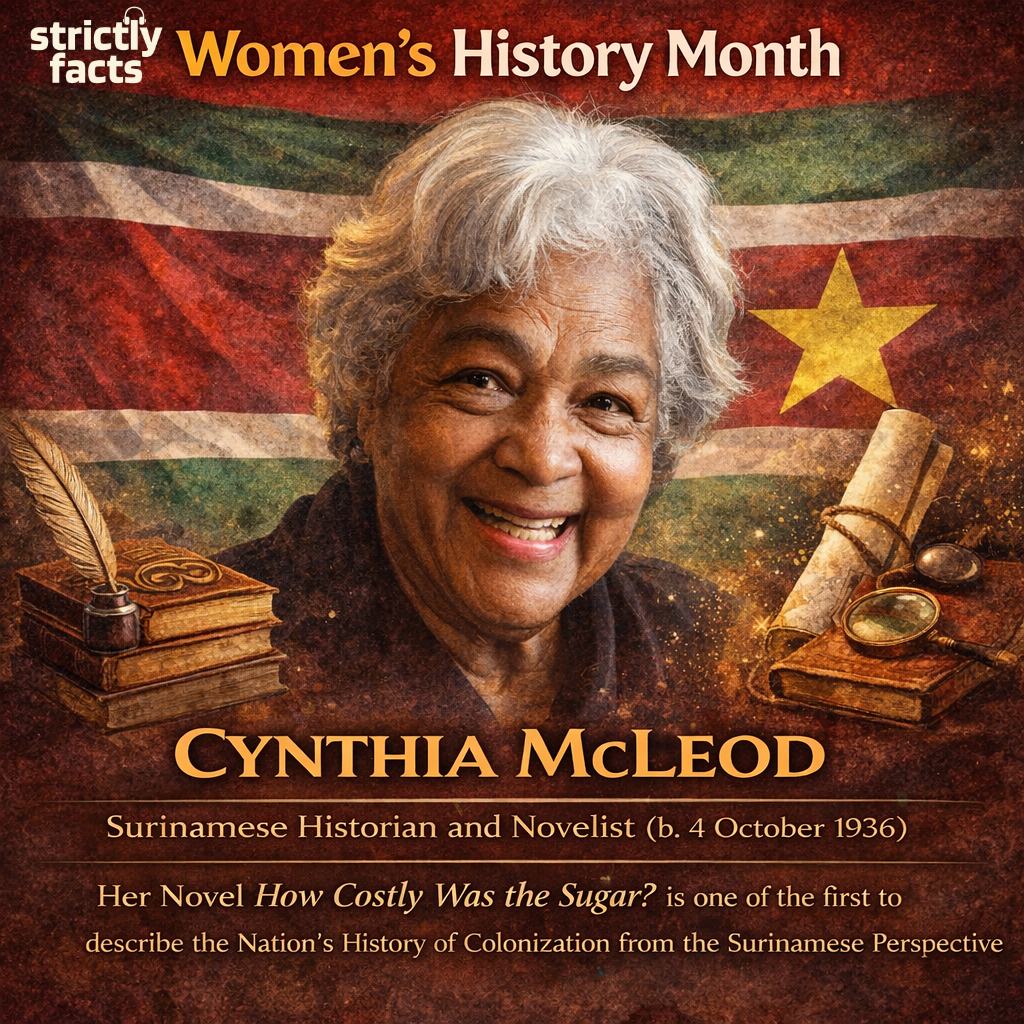
Woman #16: Cynthia McLeod
Cynthia McLeod is a renowned Surinamese historian and novelist whose work has transformed public understanding of Suriname’s colonial past. Through extensive archival research in the Netherlands and Suriname, she has dedicated decades to uncovering the complex histories of plantation society, slavery, and colonial administration, bringing overlooked stories and historical figures into the national conversation.
Her groundbreaking novel "How Costly Was the Sugar?" is widely celebrated for presenting Suriname’s colonial history from a Surinamese perspective, blending rigorous historical research with compelling storytelling. Beyond her writing, McLeod has also worked as a cultural historian, educator, and founder of heritage initiatives that preserve and promote Suriname’s past. 🇸🇷📚
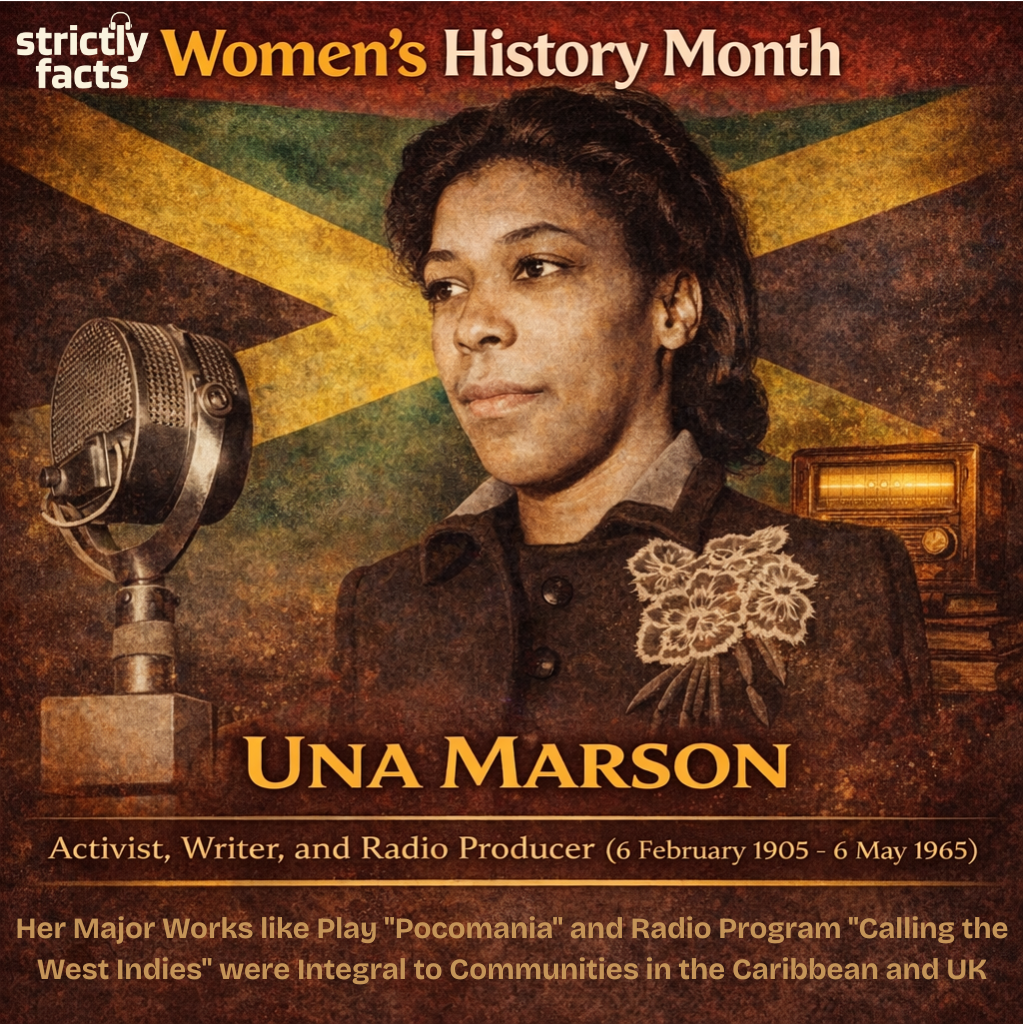
Woman #17: Una Marson
Una Marson was a Jamaican writer, activist, and radio producer whose work reshaped Caribbean cultural life in both Jamaica and Britain. A poet, playwright, and journalist, she used her writing to confront issues of race, gender, and colonial inequality, becoming one of the most important Caribbean literary voices of the early twentieth century.
Marson gained international recognition through works such as her play Pocomania and as the producer of the influential BBC radio program “Calling the West Indies,” which connected Caribbean communities across the region and the diaspora during World War II. While living in the United Kingdom, she also became deeply involved in activism, advocating for Black dignity, racial equality, and the rights of women, and challenged discrimination faced by Caribbean migrants. Through both her cultural and political work, Marson helped create space for Caribbean voices in British public life. 🇯🇲🎙️
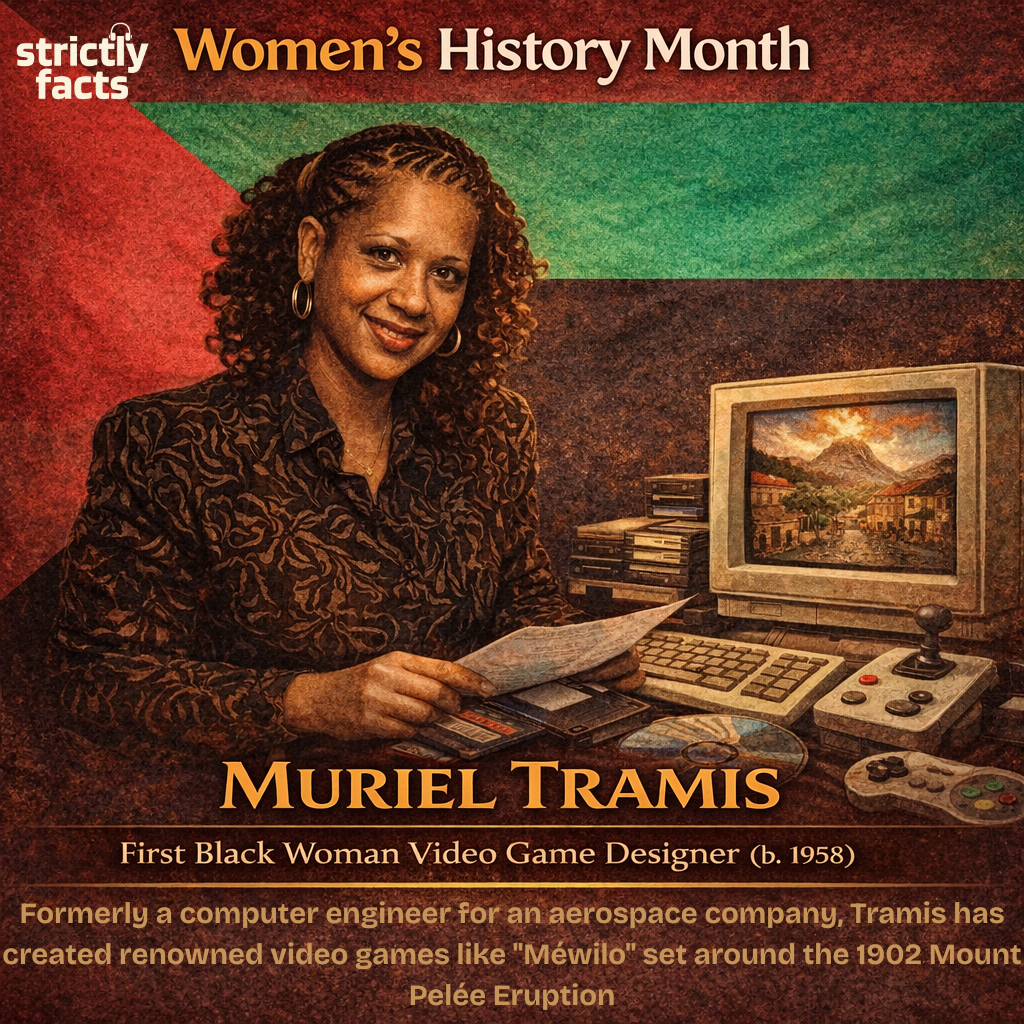
Woman #18: Muriel Tramis
Muriel Tramis is a pioneering Martinican engineer and game designer who made history as the first Black woman video game designer. After beginning her career in the aerospace industry, she entered the world of video game development in the 1980s and quickly became one of the most innovative storytellers in the medium.
Her games often explored Caribbean history, culture, and memory. One of her most renowned works, Méwilo, is set in Martinique and draws on the historical context of the 1902 eruption of Mount Pelée, blending mystery, history, and Caribbean cultural themes in a way rarely seen in early video games. Through her groundbreaking work, Tramis expanded who could tell stories in digital spaces and brought Caribbean narratives into the world of interactive media. 🇲🇶🎮