

Strictly Facts’ Women’s History Month: 31 Caribbean Women to Know #19-24
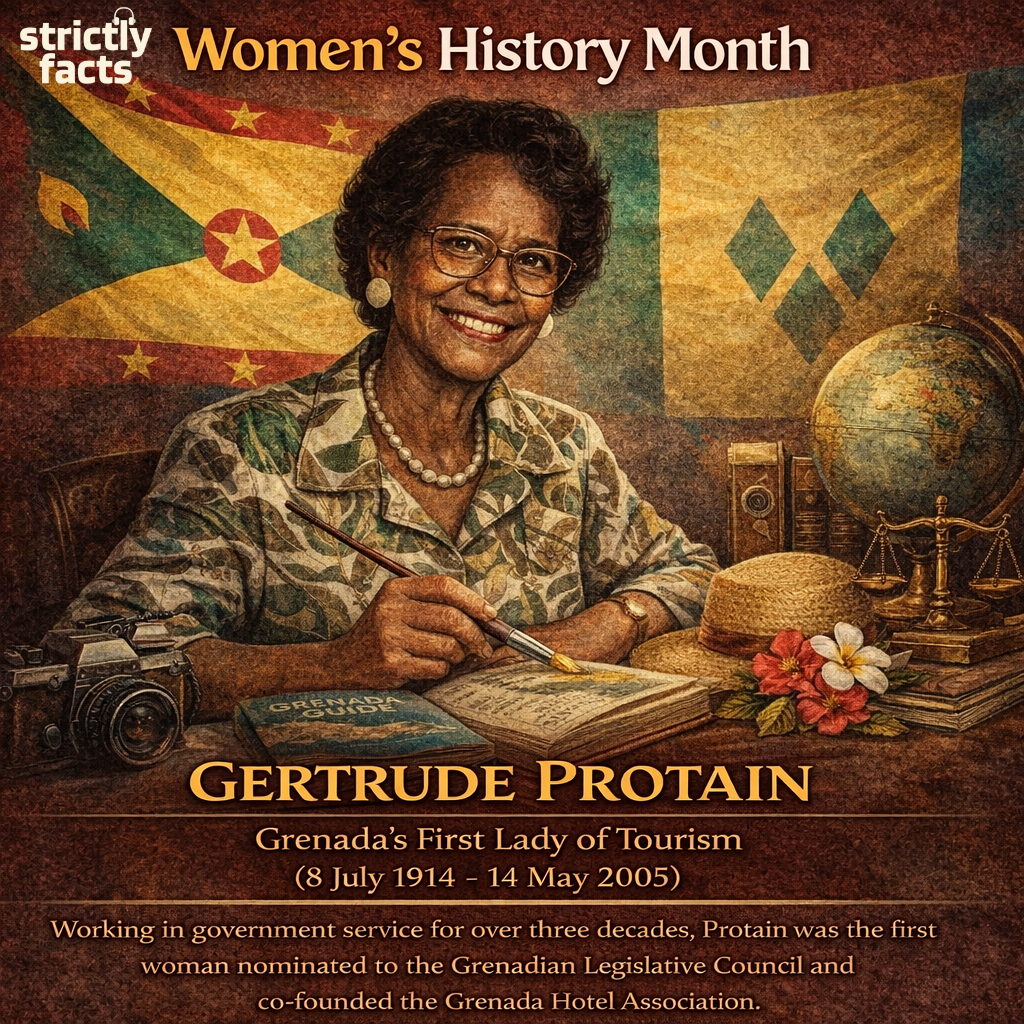
Woman #19: Gertrude Protain
Gertrude Protain was a pioneering Caribbean leader remembered as Grenada’s “First Lady of Tourism.” Born in Saint Vincent and the Grenadines, she later made Grenada her home and dedicated more than three decades to public service and national development. She played a central role in building Grenada’s tourism sector and co-founded the Grenada Hotel Association, helping position the island as an important Caribbean destination.
Protain was also a trailblazer in politics. She became the first woman nominated to Grenada’s Legislative Council and represented the island as a delegate at the launch of the Parliament of the West Indies Federation. During her four years of service on the Education Committee, she also strongly advocated for the advancement of women’s education through scholarships for girls and expanded opportunities for higher education. 🇬🇩🌴
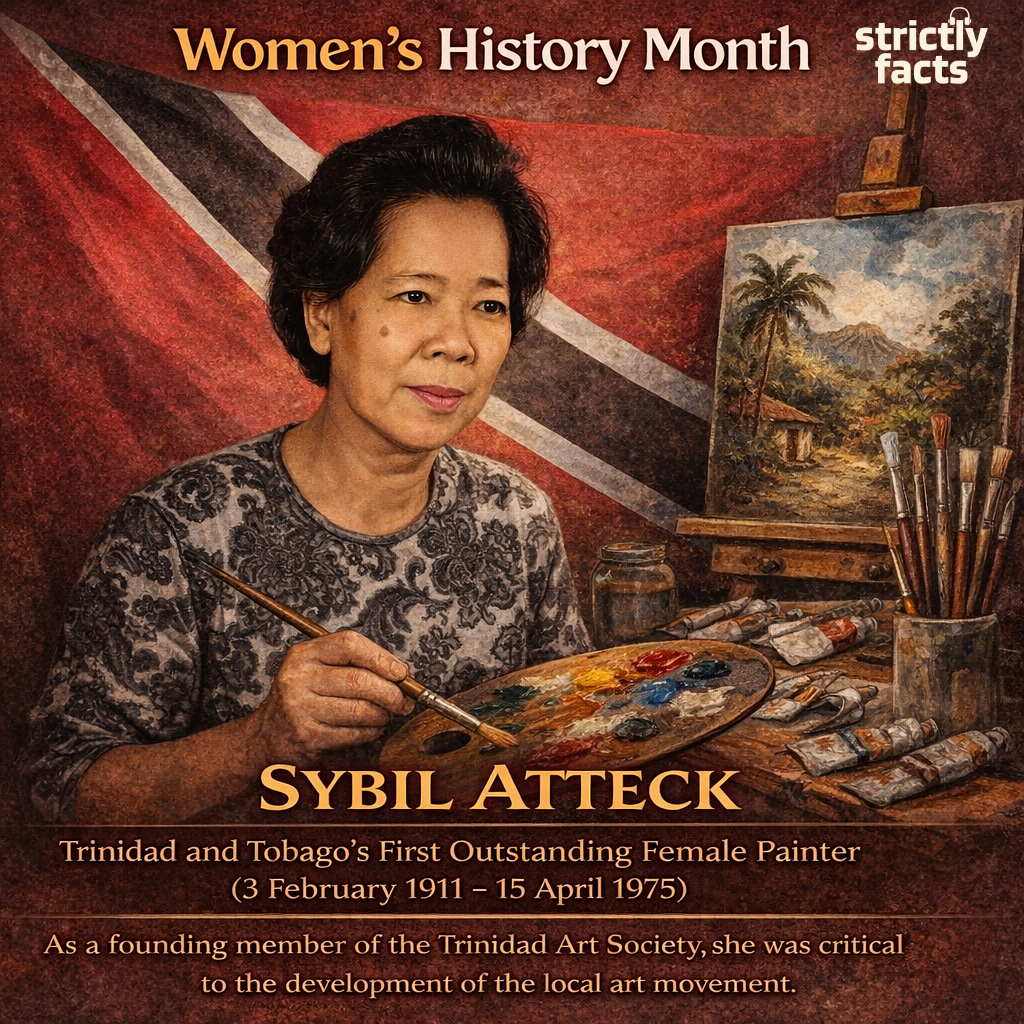
Woman #20: Sybil Atteck
Sybil Atteck was a trailblazing Trinidadian artist who is widely recognized as Trinidad and Tobago’s first outstanding female painter. At a time when the local art scene was still emerging, Atteck helped shape its modern artistic identity through her vibrant landscapes, portraits, and interpretations of Caribbean life.
As a founding member of the Trinidad Art Society, she played a crucial role in developing and promoting the local art movement, creating opportunities for artists and helping to establish Trinidad and Tobago as an important center of Caribbean visual culture. 🇹🇹🎨
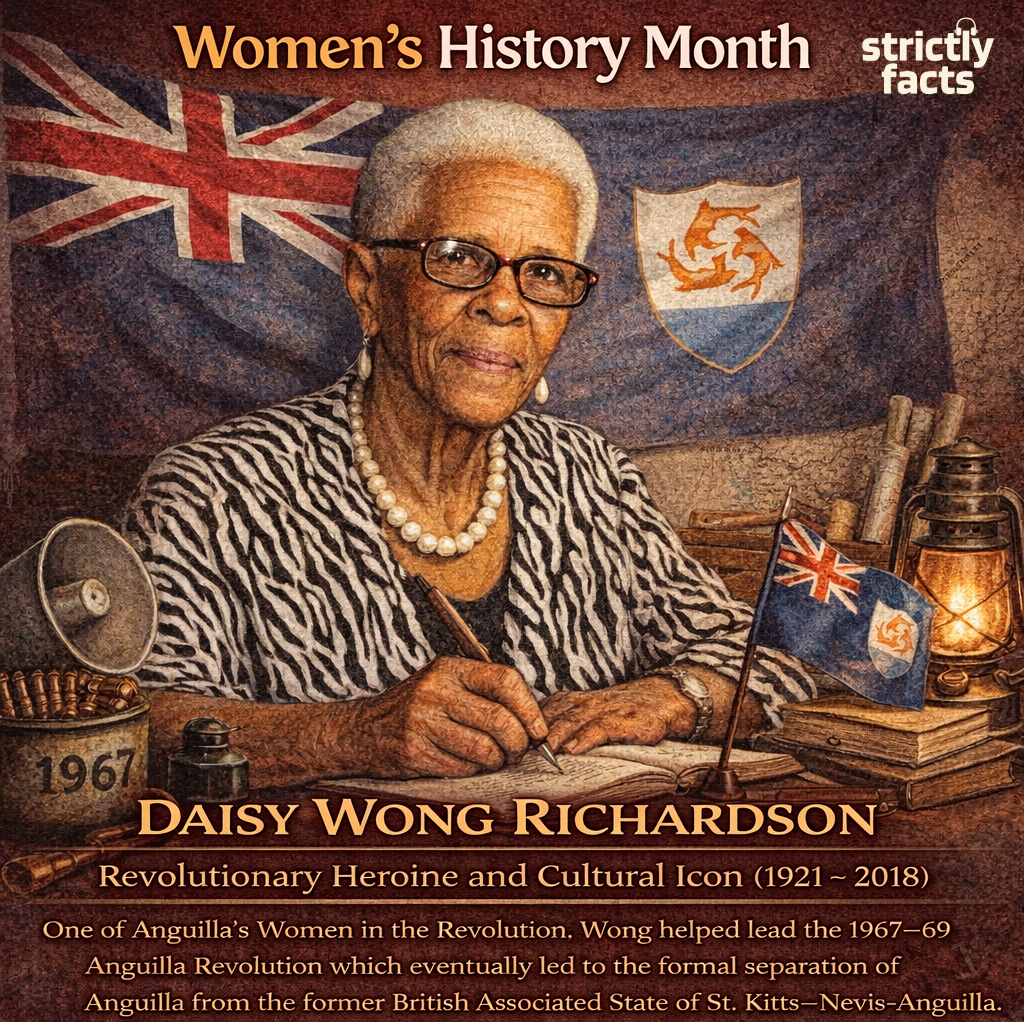
Woman #21: Daisy Wong Richardson
Daisy Wong Richardson stands as one of Anguilla’s revolutionary heroines, remembered for her courage and leadership during the 1967–69 Anguilla Revolution, which led to the island’s separation from St. Kitts andNevis. As one of the women at the forefront of the movement, she helped shape a defining moment in Anguilla’s history.
In recognition of her outstanding contribution, she was awarded the Anguilla Badge of Honour and the Queen’s Certificate, honoring her role in the struggle for self-determination. Beyond her activism, she was also a writer, capturing Anguillian life and culture through her poetry. Her collection, "A Li’l Bit of Guinea Corn Porridge," was recognized at the Malliouhana Poetry Competition Award, further cementing her legacy as both a cultural and political force. 🇦🇮✊🏾
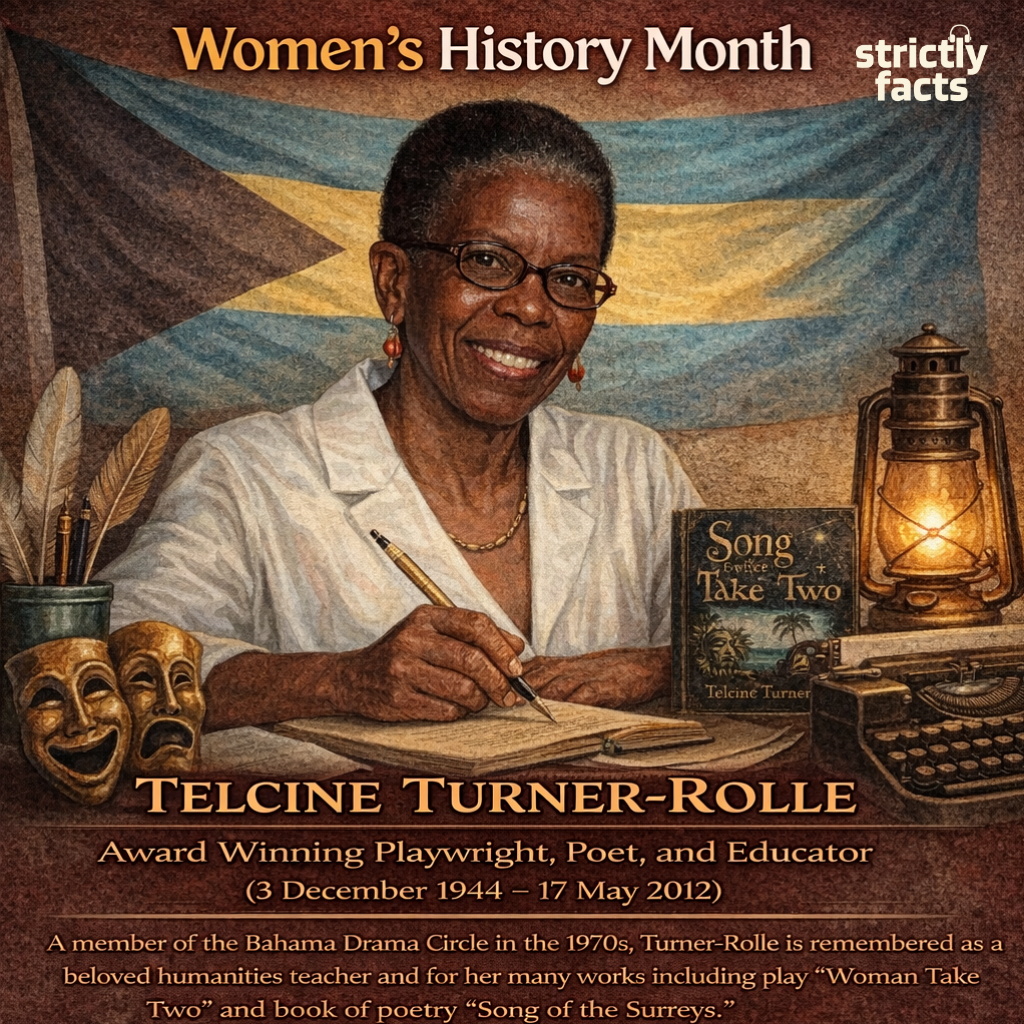
Woman #22: Telcine Turner-Rolle
Telcine Turner-Rolle was a celebrated Bahamian playwright, poet, and educator whose work helped shape the cultural and literary landscape of the nation. A dedicated teacher and member of the Bahamas Drama Circle in the 1970s, she inspired generations of students, with her writings widely taught in schools across the island.
Her acclaimed play Woman Take Two earned her the Playwriting Prize in the University of the West Indies Literary Competition and is especially celebrated for its powerful use of Bahamian Creole English, centering local voice and identity on the stage. Today, her plays remain part of school curricula, ensuring that new generations engage with her storytelling and cultural vision. 🇧🇸🎭
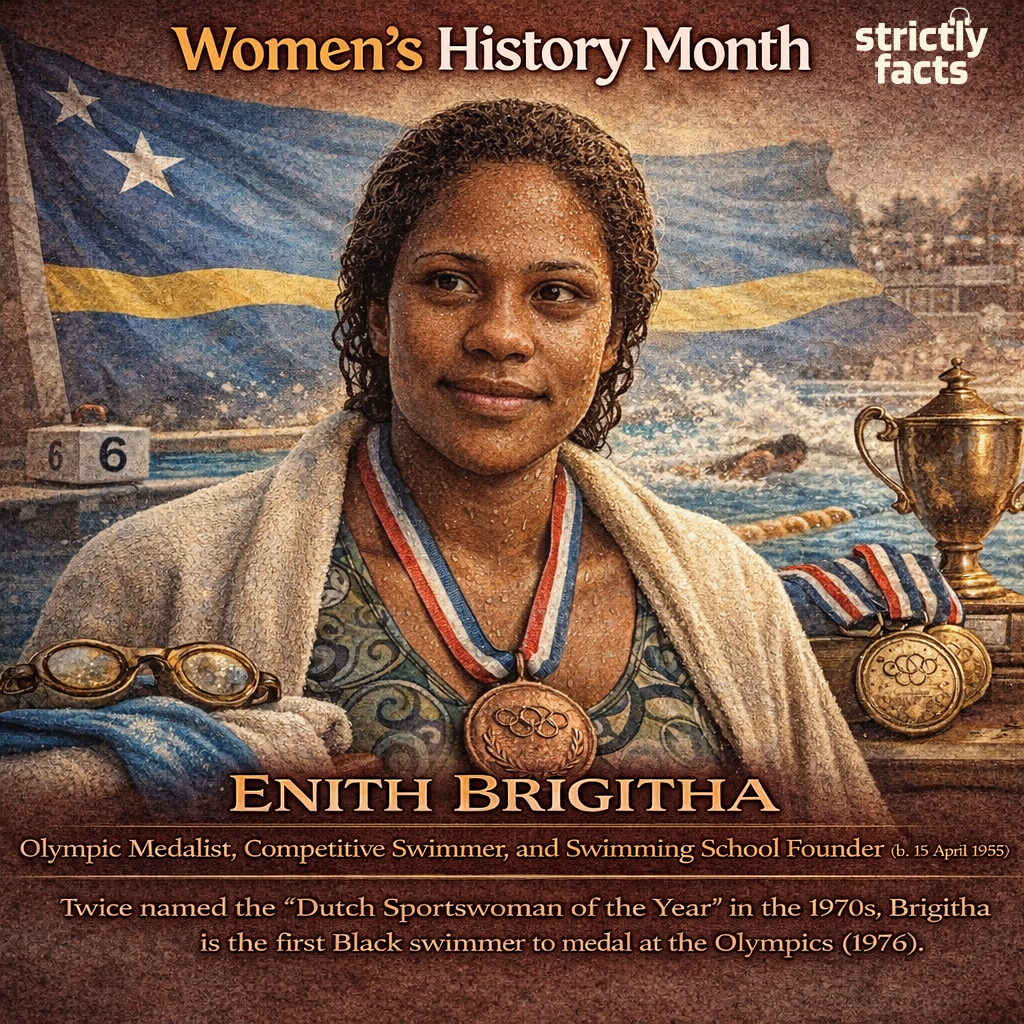
Woman #23: Enith Brigitha
Enith Brigitha is a trailblazing swimmer from Curaçao whose achievements reshaped the history of competitive swimming. At the 1976 Olympic Games, she became the first Black person to win Olympic medals in swimming, breaking barriers in a sport long marked by exclusion.
Throughout the 1970s, Brigitha dominated international competition and was twice named Dutch Sportswoman of the Year, a testament to her excellence, determination, and global impact. Beyond her competitive career, she has continued to give back to the sport as a swimming school founder, helping to nurture the next generation of swimmers. 🇨🇼🏊🏾♀️
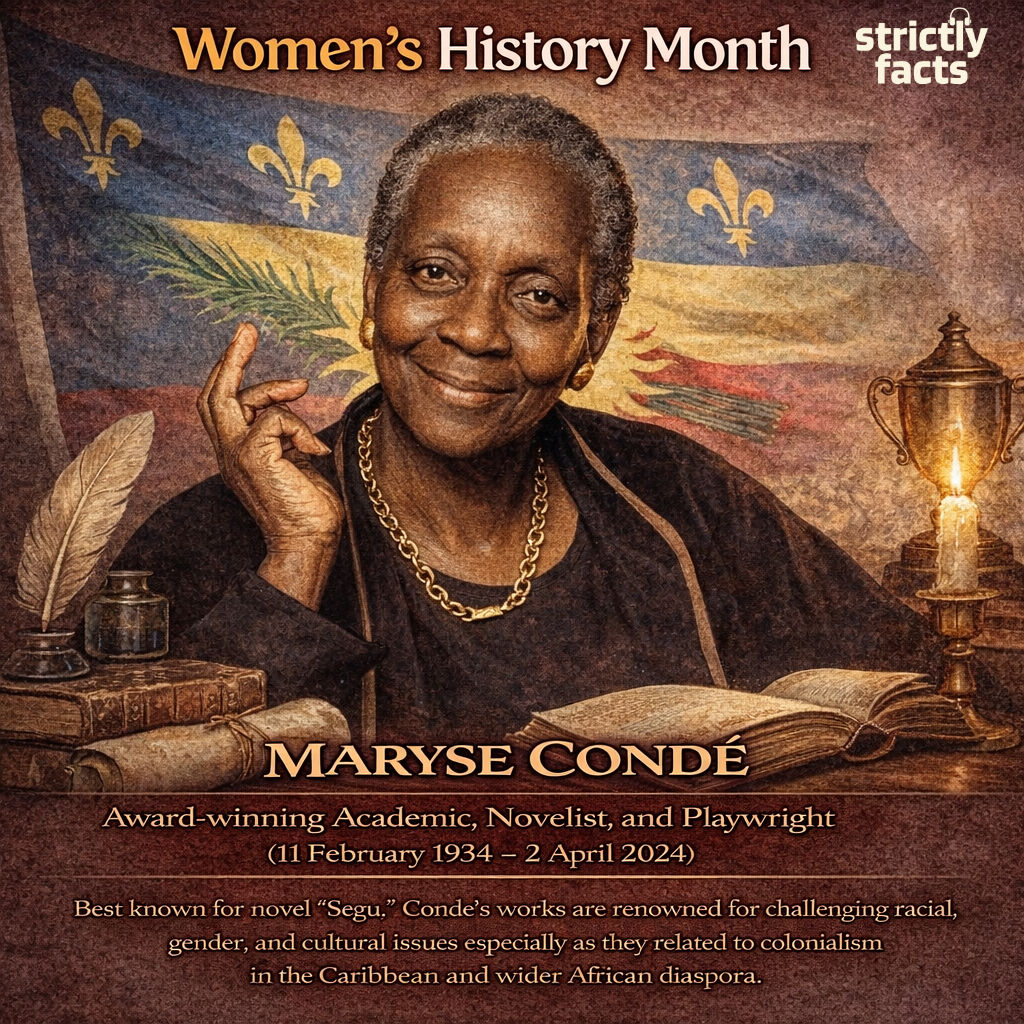
Woman #24: Maryse Condé
Maryse Condé was a towering figure in Caribbean and global literature. an award-winning scholar whose work reshaped how we understand history, identity, and colonialism. Born in Guadeloupe, she used her writing to explore the complexities of race, gender, and belonging across the Caribbean and the wider African diaspora. Her acclaimed novel "Segu" earned the Liberatur Prize in 1988, cementing her reputation as one of the most powerful literary voices of her generation. Across her body of work, Condé challenged dominant narratives, centering the experiences of Black women and the legacies of colonialism with nuance and depth. 🇬🇵📚